
What can modern leaders learn from a one-eyed, one-armed admiral who died in the moment of his greatest victory? Quite a lot, it turns out.
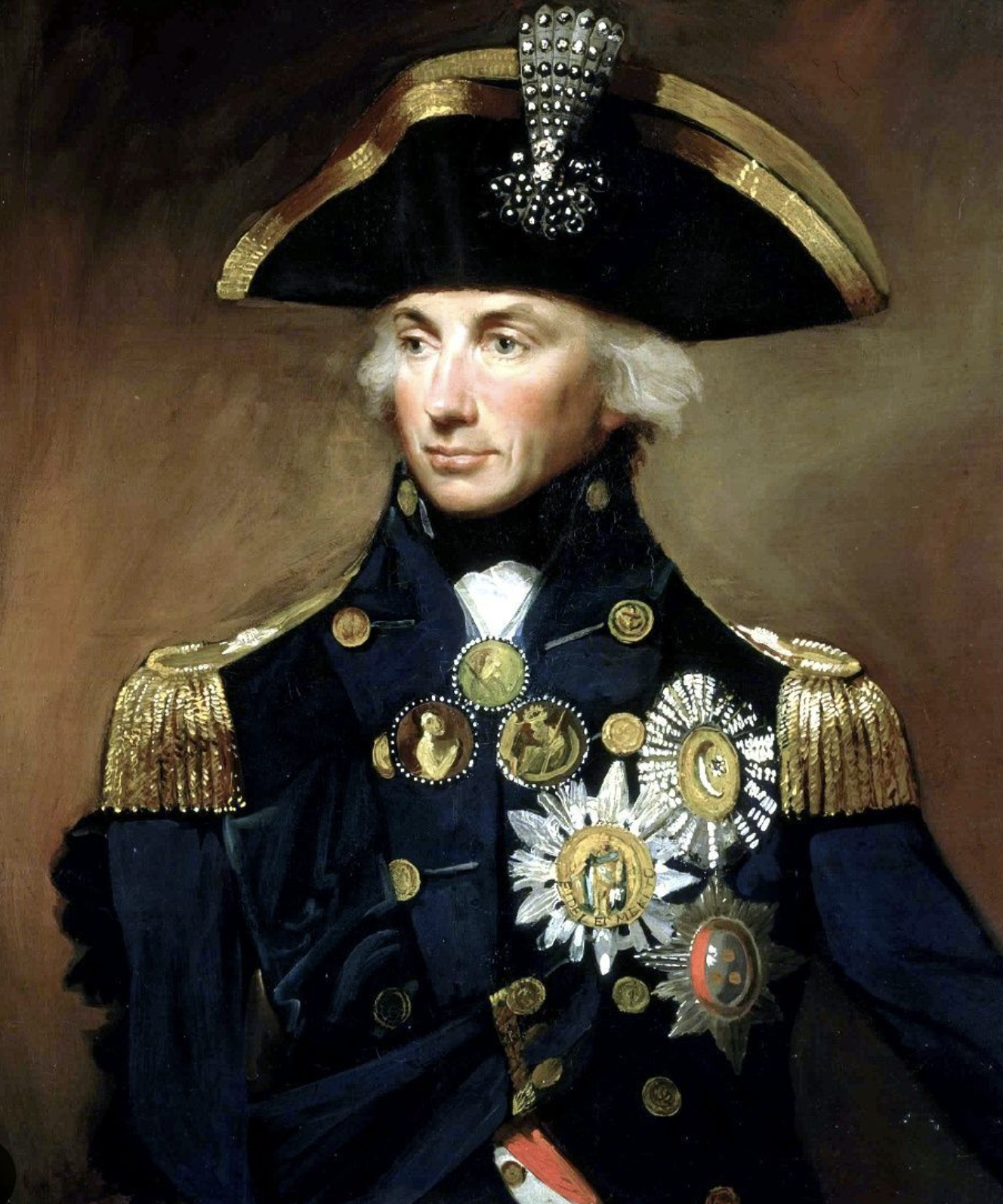
At Trafalgar in 1805, Nelson faced 33 enemy ships with 27 of his own. Instead of the conventional line and broadsides, he split his fleet into two columns and drove straight through theirs. But the tactic alone didn’t win it, how he got his captains to execute it did.
He’d had them to dinner aboard HMS Victory, more than once, walking them through his thinking in person. By his own account, when he explained what became “the Nelson Touch,” it was “like an electric shock. Some shed tears, all approved.” Then he gave them one instruction: “No captain can do very wrong if he places his ship alongside that of the enemy.” Intent, not a script. He trusted them to use their own judgement once the fighting started.
That trust in his own judgement cut both ways. Four years earlier at Copenhagen, ordered to break off the attack, Nelson put his telescope to his blind eye and said, “I really do not see the signal,” and kept fighting. He later admitted he’d acted contrary to orders. He was right, and it made his career. It’s where we get the phrase “turning a blind eye.”
A few things stand out for me, having given and received plenty of orders myself:
He briefed in person, repeatedly, until his intent was genuinely understood.
He gave clear intent, then trusted people to execute it their way.
He knew the difference between disobedience out of ego and backing his own judgement because he could see something his superiors couldn’t. Nelson died a few hours after being hit by a musket ball, knowing he’d won.
He was also a deeply flawed man
It’s easy to write Nelson up as a straightforward hero, and most of what gets taught about him is. But he wasn’t one, and it’s worth saying so.
In 1798, by then a married man, Nelson met Emma Hamilton, the wife of the British envoy in Naples, and began an affair with her that he made no real effort to hide. By 1800 they were living together openly. His wife, Fanny, eventually gave him an ultimatum: her or Emma. He chose Emma, the marriage ended in early 1801, and their daughter, Horatia, was born that January. In 1805, with his elderly father seriously ill, Nelson chose to stay at Merton for Emma’s birthday rather than travel to see him. His father died that same day.
None of that undoes what he did at the Nile, Copenhagen, or Trafalgar. But it’s a useful corrective to how we tend to talk about leadership, as though competence and character always arrive as a matching set. Nelson was, by most accounts, a genuinely brilliant naval tactician and a man who built real loyalty in the people who served under him. He was also, by most accounts, fairly ruthless in his personal life when it conflicted with what he wanted. Both things are true. Worth remembering next time a leader’s professional brilliance gets used to wave away how they treat the people closest to them.
The leadership underneath the story
Strip away the scandal and the cannon smoke, and the professional lesson still holds up on its own merits: brief in person, repeatedly, until people actually understand your intent. Give clear intent and then trust your people to execute it their way. Know the difference between backing your own judgement and simply not liking being told what to do.
Two hundred years on, we’ve given Nelson’s tactical approach a name, mission command. At the time, it was just how he led.
Does your team understand your intent well enough to make the right call without you in the room? And do you trust them enough to let them?
If this is a question worth sitting with properly, it’s one I spend a lot of time on with leadership teams. Get in touch if you’d like to talk it through.